Methane-Reducing Feed Additives
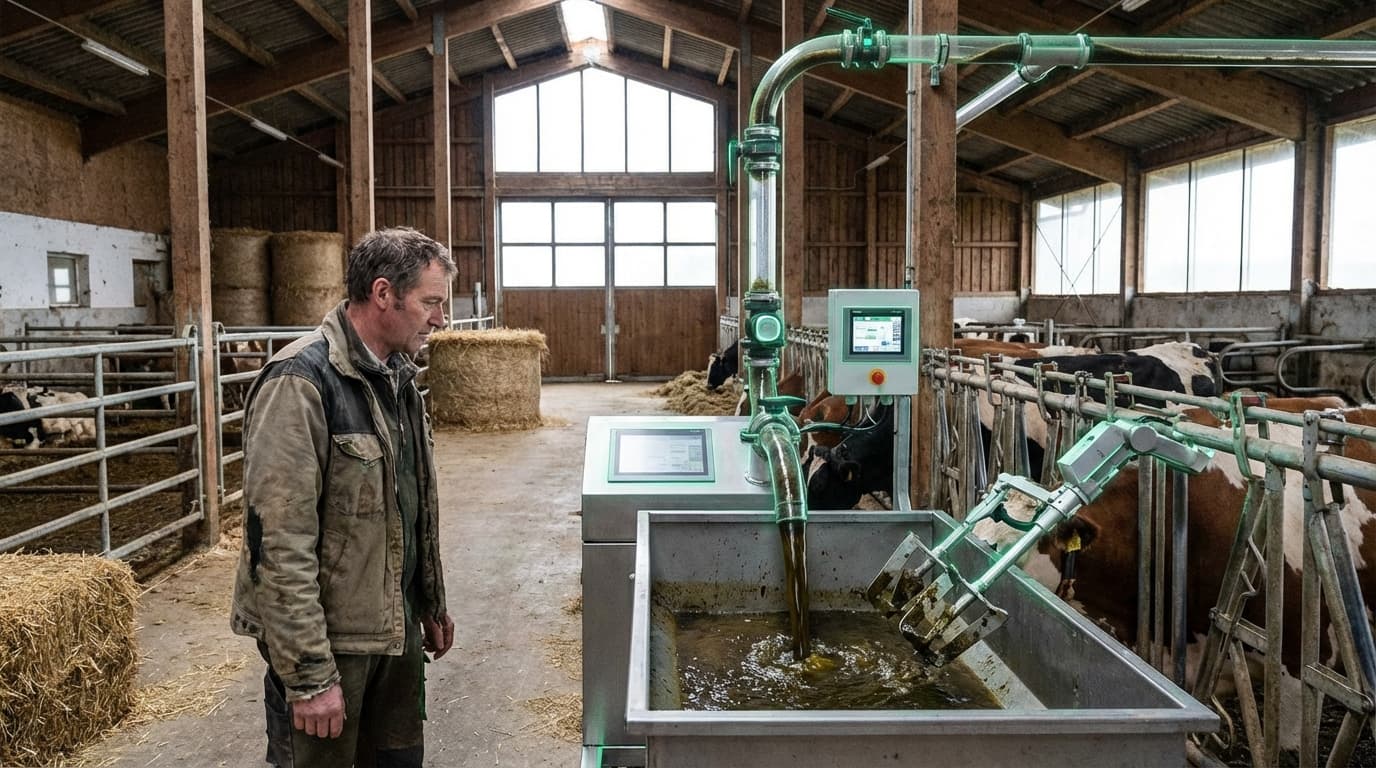
Methane-reducing feed additives represent a targeted intervention in livestock nutrition designed to address one of agriculture's most significant climate challenges: enteric fermentation in ruminant animals. When cattle, sheep, and other ruminants digest fibrous plant material, microorganisms in their digestive systems produce methane as a metabolic byproduct—a process that accounts for approximately 6% of global greenhouse gas emissions. These specialized feed supplements work by disrupting the biochemical pathways that methane-producing archaea use during digestion. The most promising additives include red seaweed species from the Asparagopsis genus, which contain bromoform compounds that inhibit key enzymes in methanogenesis, and synthetic compounds like 3-nitrooxypropanol (3-NOP) that specifically target methyl-coenzyme M reductase, the final step in methane production. Lipid-based additives function differently, altering the rumen environment to make it less hospitable for methane-producing microbes while simultaneously improving energy availability from feed.
The livestock industry faces mounting pressure to reduce its environmental footprint while meeting growing global demand for animal protein. Traditional approaches to emission reduction—such as herd size reduction or dietary reformulation—often conflict with productivity goals and economic viability. Methane-reducing additives offer a solution that addresses climate concerns without compromising animal performance or farm economics. Research indicates that these supplements can reduce enteric methane emissions by 30% to 80% depending on the additive type, dosage, and animal diet, with some formulations also improving feed conversion efficiency by making more dietary energy available for growth and milk production rather than being lost as methane. This dual benefit creates a compelling value proposition for producers, potentially offsetting the cost of additives through improved animal performance. The technology also enables the livestock sector to participate in carbon credit markets and meet increasingly stringent regulatory requirements around agricultural emissions.
Several methane-reducing additives have progressed from laboratory research to commercial availability and on-farm trials across major livestock-producing regions. Seaweed-based products face scaling challenges related to sustainable cultivation of Asparagopsis species, though aquaculture operations in Australia, New Zealand, and North America are expanding production capacity. Synthetic additives like 3-NOP have received regulatory approval in multiple countries and are being incorporated into commercial feed formulations by major agricultural companies. Early adoption has been strongest in dairy operations, where the economic benefits of improved milk production are most readily apparent and where feeding systems allow for consistent daily supplementation. Looking forward, the integration of these additives into mainstream livestock production will likely accelerate as carbon pricing mechanisms mature, consumer demand for low-emission animal products grows, and production costs decline through economies of scale. This technology represents a practical bridge solution that allows the livestock sector to significantly reduce its climate impact while longer-term structural changes in food systems continue to evolve.
Related Organizations
Produces SYN-AKE, a small synthetic peptide that mimics the activity of Waglerin-1 (found in snake venom) to reduce muscle cell contraction.

Cultivates and processes Asparagopsis seaweed into feed supplements for livestock to drastically reduce methane.

Established by CSIRO to commercialize the IP for Asparagopsis seaweed as a livestock feed ingredient.

Cultivates red seaweed (Brominata) in vertical tanks to produce methane-busting cattle feed supplements.

Synthesizes the bioactive compounds found in seaweed to create scalable, low-cost methane-reducing feed additives.

Hawaii-based startup cultivating Asparagopsis taxiformis to create 'SeaGraze', a natural methane-reducing feed additive.

Swedish startup producing Asparagopsis taxiformis using land-based systems powered by renewable energy.
Global dairy cooperative actively testing and trialing Kowbucha (probiotics) and Asparagopsis to reduce emissions.

Produces a natural feed supplement based on garlic and citrus extracts to reduce methane emissions.
Supporting Evidence
Research this in Signals
Signals turns a topic into a sourced research record you can inspect and rerun. Your first scan is free, and this one starts with Methane-Reducing Feed Additives already loaded, so edit it or scan as is.