Large-Scale Dam Construction and Hydroelectric Engineering
Geography: Emea · Middle East · Iran
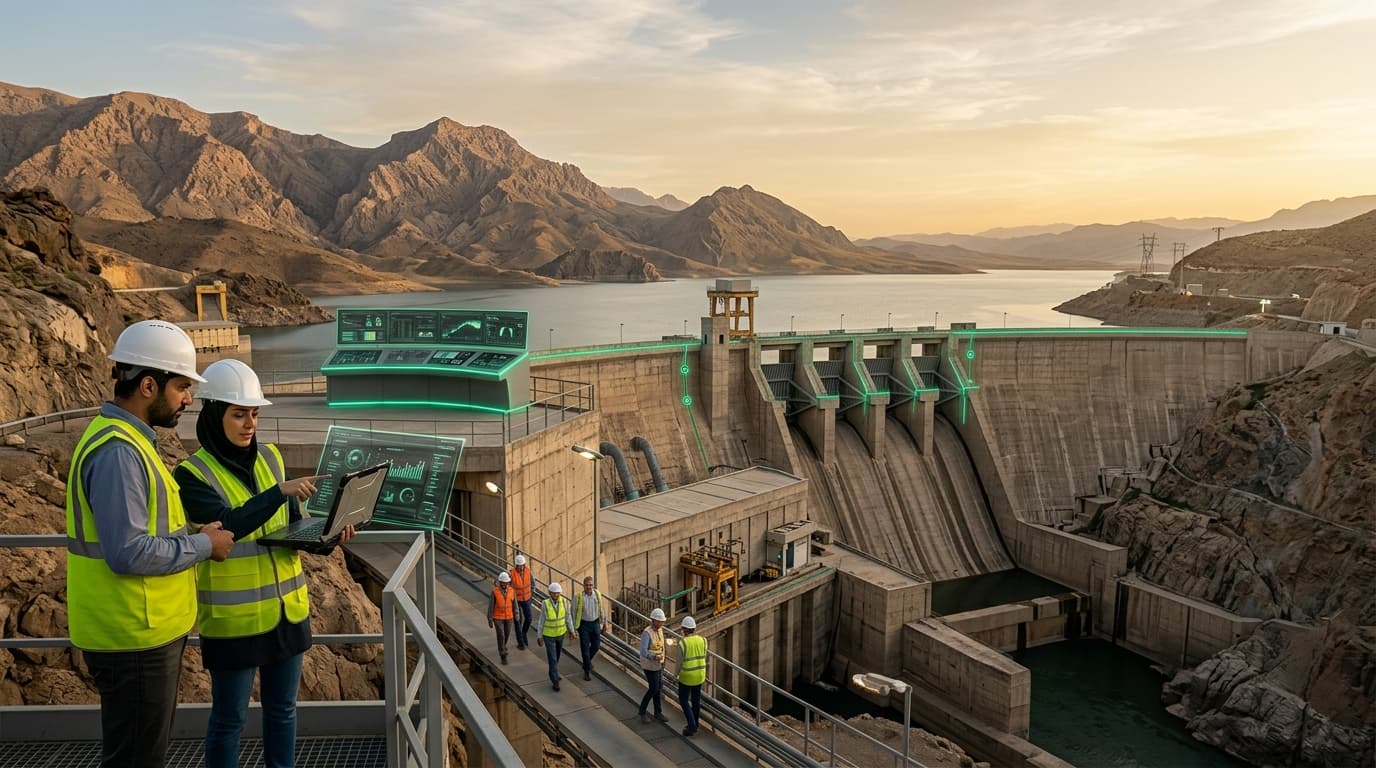
Iran operates one of the most extensive dam systems in the Middle East, with 647 dams in operation including 523 classified as large dams, providing a combined reservoir capacity of 51.7 billion cubic meters. Hydroelectric plants generated over 15.7 TWh of electricity in 2016, and the fleet includes major arch, gravity, and earth-fill structures built across the country's diverse terrain. Iranian engineering firms have accumulated decades of expertise in dam design, construction, and operation across challenging geological and seismic conditions — expertise now exported to multiple countries.
Iran's dam engineering services are actively exported to Tajikistan, Armenia, and Azerbaijan, with prospective projects being developed in Kenya, Sri Lanka, Bolivia, and Mali. This export capability reflects deep competence in hydrogeological assessment, concrete dam engineering, tunnel boring for diversion and power tunnels, and hydroelectric turbine installation. Iranian firms compete on cost and willingness to work in difficult environments, offering complete project packages from feasibility studies through construction and commissioning. The capability was developed through necessity: Iran's water crisis demanded massive hydraulic infrastructure, and sanctions limited access to international engineering firms for sensitive projects.
The strategic dimension involves both water security and regional influence. Dam construction in Central Asian countries builds bilateral relationships and positions Iran as a technical partner, while domestically the dam fleet provides flood control, irrigation, drinking water, and hydropower. However, the dam-building approach has drawn criticism from water experts who note that excessive damming has contributed to aquifer depletion, ecosystem destruction, and the shrinking of Lake Urmia. The tension between infrastructure expansion and environmental sustainability is an ongoing policy challenge that the engineering capability alone cannot resolve.
Research this in Signals
Signals turns a topic into a sourced research record you can inspect and rerun. Your first scan is free, and this one starts with Large-Scale Dam Construction and Hydroelectric Engineering already loaded, so edit it or scan as is.