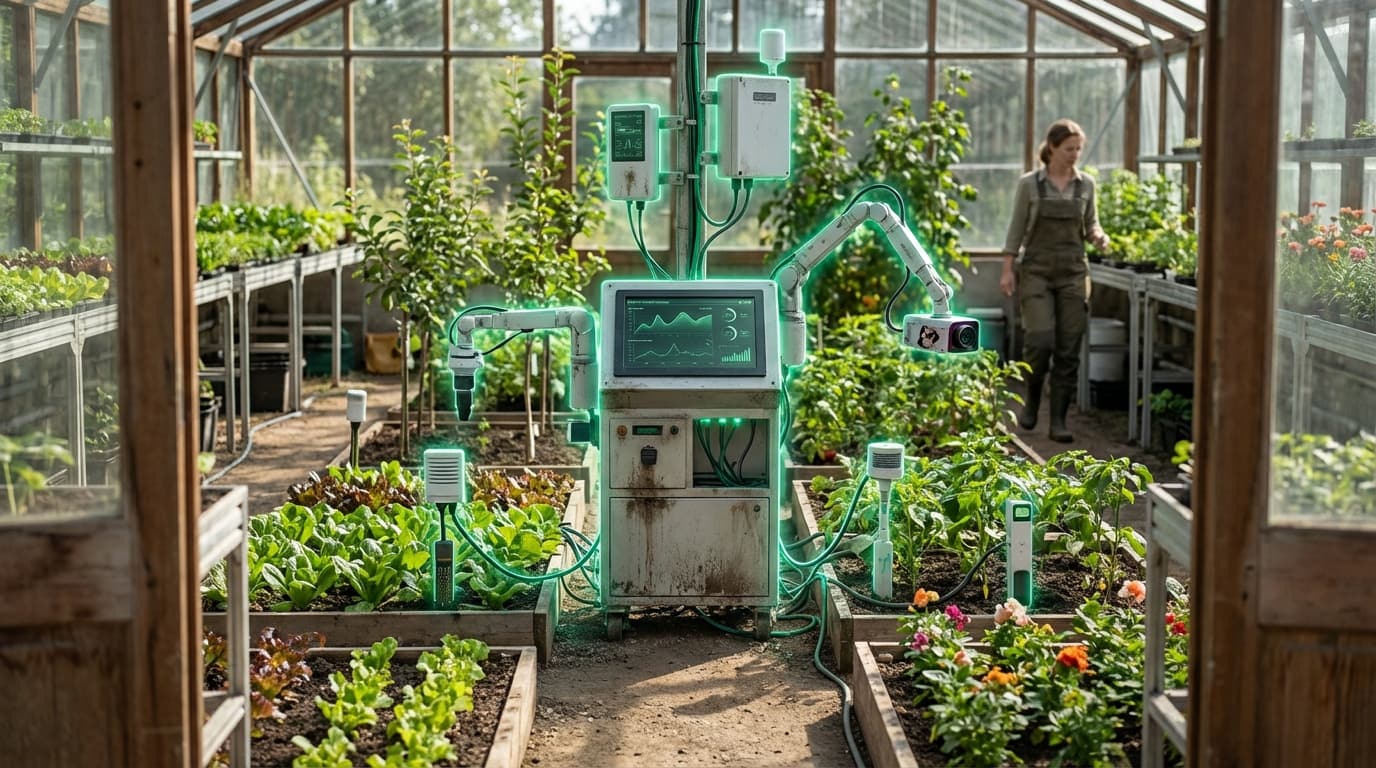
Biodiversity Accounting Engines
Biodiversity accounting engines fuse remote sensing, in-field sensors, and ecological models to quantify how land interventions affect species richness, pollinator habitat, soil organic matter, water retention, and carbon sequestration. Dashboards translate those metrics into standardized credits or impact reports aligned with frameworks such as TNFD, SBTN, and IFRS sustainability standards, giving growers and investors a common language for valuing ecosystem services.
Regenerative agriculture funds, food brands, and insurers use these engines to verify that incentive payments, green bonds, or supply-chain premiums result in measurable ecological gains. Startups like NatCap, Climate Engine, and LandGate integrate machine learning to detect hedgerow plantings, wetland restorations, or grazing rotations, then assign ROI scores to each intervention.
The next wave will incorporate eDNA sampling and acoustic biodiversity data while enabling automated audits through smart contracts. Persistent challenges include limited ground-truth reference plots, reconciling multiple credit registries, and preventing double-counting of ecosystem services. Transparent methodologies and open APIs will be pivotal for trust and interoperability.
Related Organizations

Uses environmental DNA (eDNA) to map biodiversity at scale, providing biological data layers for nature digital twins.

Taskforce on Nature-related Financial Disclosures (TNFD)
United Kingdom · Consortium
Develops a risk management and disclosure framework for organizations to report and act on evolving nature-related risks.

Creator of BeCrop technology, which analyzes soil biology to assess health and functionality.

Fintech platform developing metrics and tokens to unlock investment in nature recovery (NATURE tokens).

Interdisciplinary research group mapping global ecology to understand the potential and trade-offs of restoration (e.g., tree planting) on climate.

Uses drones, acoustic sensors, and image recognition to quantify biodiversity uplift for nature markets.

The organization that manages the Verified Carbon Standard (VCS), the world's most widely used voluntary GHG program.

Data infrastructure platform that organizes natural capital data for teams managing nature-based solutions.

A sovereign blockchain designed for ecological assets, allowing for the origination and trading of digital carbon credits.

Deep tech startup tokenizing nature by creating a digital twin of the planet to value forests for biodiversity and carbon.

Uses satellite radar and optical data to measure forest biomass and carbon stock changes directly.
Supporting Evidence
Research this in Signals
Signals turns a topic into a sourced research record you can inspect and rerun. Your first scan is free, and this one starts with Biodiversity Accounting Engines already loaded, so edit it or scan as is.