Data-as-Value Networks
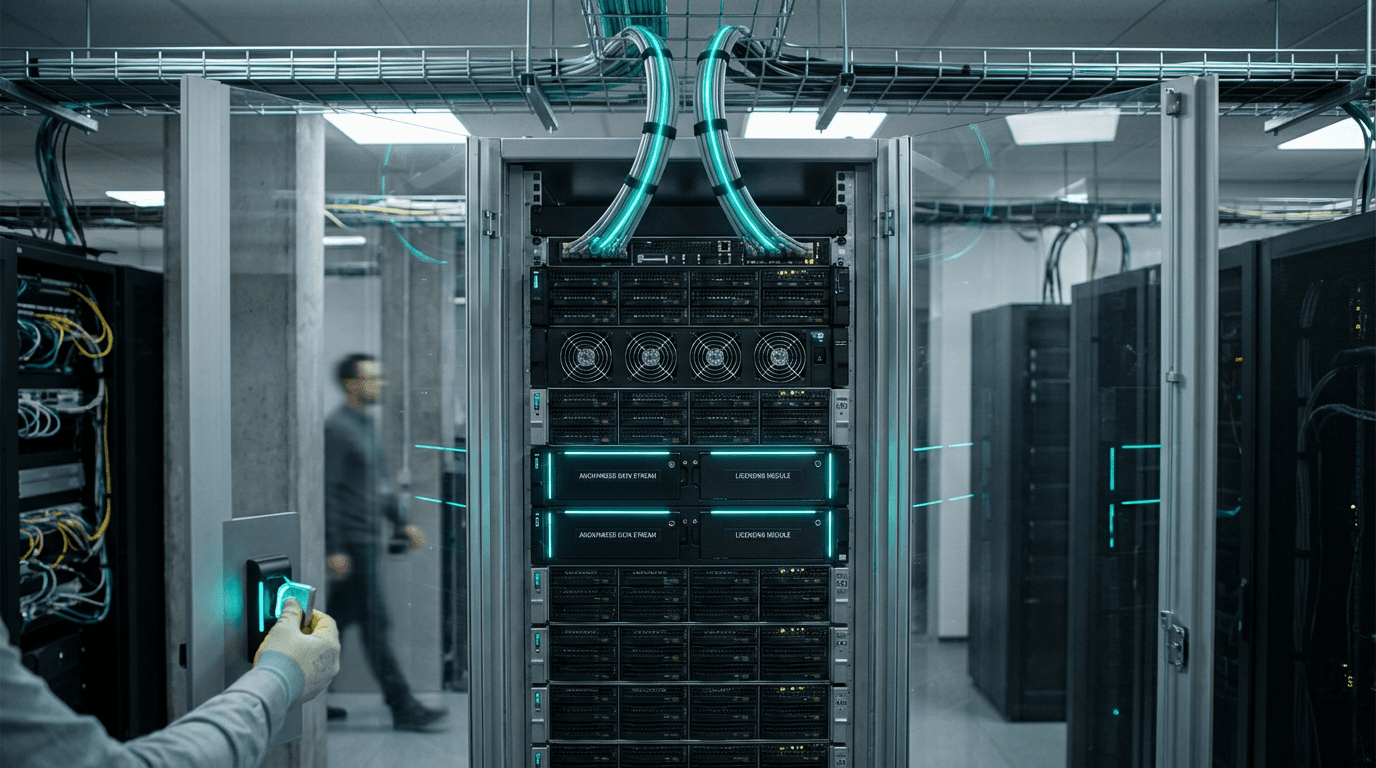
Data-as-value networks are systems that allow individuals or collectives to sell or license fully anonymized data streams—such as health, mobility, or environmental data—with fine-grained control over how their data is used, who can access it, and what they're paid for it. They enable federated compute marketplaces where data stays local (on users' devices) while machine learning models travel to learn from it (federated learning), preserving privacy while enabling data monetization, and explore new compensation models including streaming revenue (continuous payments for data access), cooperative data trusts (collective ownership of data), and unionized datasets (organized groups negotiating data terms), creating new models for data ownership and value creation.
This innovation addresses the imbalance in data value, where large tech companies profit from user data while users receive little benefit. By giving users control and compensation, these networks can create fairer data markets. Companies, research institutions, and data cooperatives are developing these systems.
The technology is particularly significant for enabling fair data markets, where users can benefit from their own data. As data becomes more valuable, fair compensation becomes increasingly important. However, ensuring privacy, managing complexity, and achieving adoption remain challenges. The technology represents an important evolution in data ownership, but requires continued development to achieve the privacy and usability needed for widespread use. Success could create fairer data markets, but the technology must overcome privacy and adoption challenges. The development of fair data markets is an important area of innovation.
Related Organizations

A decentralized data exchange protocol that allows data to be tokenized and sold while preserving privacy (Compute-to-Data).


A user-owned connected vehicle platform where drivers collect their car data and monetize it via a decentralized network.

A decentralized mapping network that rewards contributors with crypto for collecting 4K street-level imagery via dashcams.

A browser plugin that aggregates user surfing data into a Data Union, redistributing profits back to the users.

A privacy-enabled blockchain platform for open finance and a responsible data economy.

A platform for building and deploying autonomous agents that can communicate, negotiate, and work together across a decentralized network.

Japanese IoT platform combining blockchain and IoT to democratize data usage and security.

Develops the Tangle, a feeless distributed ledger specifically designed for the Internet of Things (IoT) data and value transfer.
Supporting Evidence
Research this in Signals
Signals turns a topic into a sourced research record you can inspect and rerun. Your first scan is free, and this one starts with Data-as-Value Networks already loaded, so edit it or scan as is.