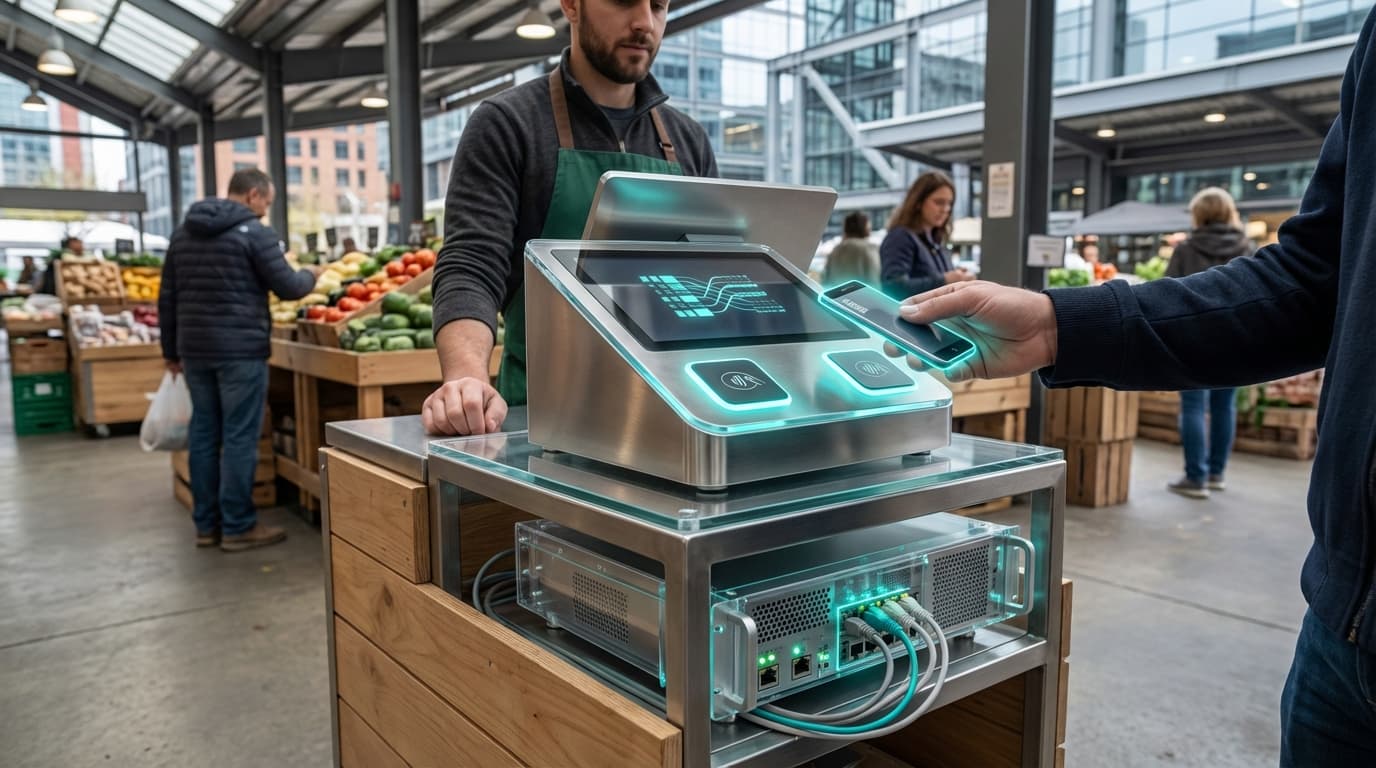
CBDCs & Hybrid Settlement Rails
CBDCs (central bank digital currencies) and hybrid settlement rails explore how programmable central bank money (digital currency issued by central banks with built-in rules and capabilities), stablecoins (private cryptocurrencies pegged to stable assets), and traditional RTGS (real-time gross settlement) systems can coexist and interoperate in a unified financial infrastructure. Designs span retail CBDCs (for general public use) and wholesale CBDCs (for interbank settlement), tiered access models (different levels of access and features), and architectures where on-chain settlement (blockchain-based settlement) links directly into central bank balance sheets, raising important questions about privacy (how much transaction data is visible), bank disintermediation (whether CBDCs reduce the role of commercial banks), and cross-border interoperability (how different countries' CBDCs work together), representing a fundamental evolution in how money and payments work.
This innovation addresses the need to modernize monetary systems, where digital currencies could improve efficiency and enable new capabilities. By creating programmable money, CBDCs could transform monetary policy. Central banks, governments, and technology companies are exploring these designs.
The technology is particularly significant for the future of money, where CBDCs could become the foundation of digital economies. As CBDCs are developed, their design will have profound implications. However, ensuring privacy, managing disintermediation, and achieving interoperability remain challenges. The technology represents a fundamental evolution in monetary systems, but requires careful design to balance competing objectives. Success could transform monetary systems, but the technology must navigate complex trade-offs. The development of CBDCs is one of the most important areas of financial innovation.
Related Organizations
International financial institution owned by central banks that fosters international monetary and financial cooperation.
A consortium-backed company building a regulated payment system to support the adoption of tokenized assets and markets.

Central bank and financial regulatory authority of Singapore.

R3
United States · Company
Enterprise software firm delivering distributed ledger technology to financial services.

Real-time gross settlement system, currency exchange and remittance network.


Software company that created the Daml smart contract language and the Canton Network.

Fintech company providing modern central banking infrastructure.

German security technology group specializing in currency and asset protection.

Supporting Evidence
Research this in Signals
Signals turns a topic into a sourced research record you can inspect and rerun. Your first scan is free, and this one starts with CBDCs & Hybrid Settlement Rails already loaded, so edit it or scan as is.