






DNA as an Alternative to Future Data Storage
This page is a narrower case of it.
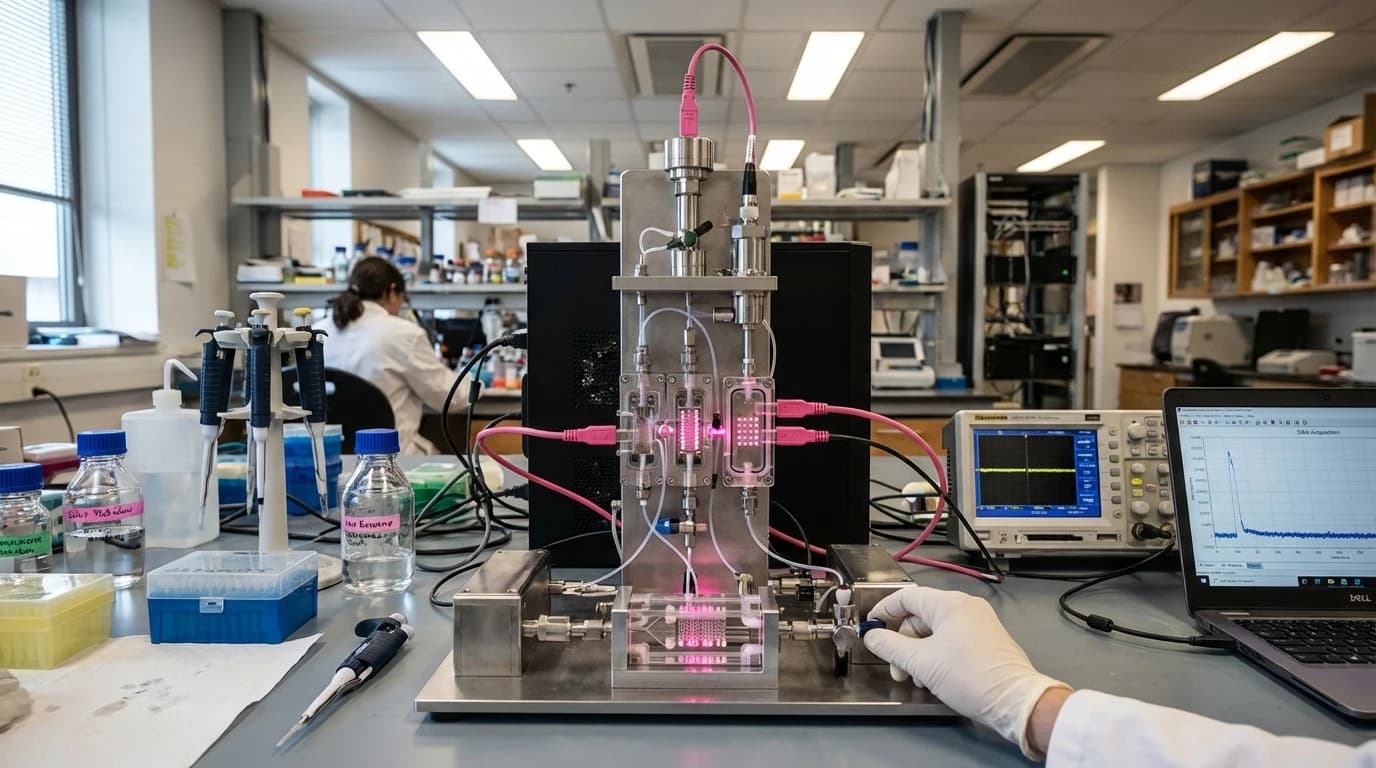
Nanopore DNA data storage writers are next-generation devices that use enzymatic synthesis (rather than traditional phosphoramidite chemistry) to encode digital data into DNA sequences at room temperature, creating a biological storage medium with extraordinary density and longevity. Coupled with portable nanopore sequencers for reading the data, these hardware platforms enable dense, long-term archiving of information including medical records and genomic datasets directly within biological substrates, where DNA can store information for thousands of years with minimal degradation.
This innovation addresses the growing challenge of data storage, where traditional storage media have limited lifespans and require constant maintenance, while the amount of data being generated (particularly in healthcare and genomics) is growing exponentially. DNA storage offers extraordinary density (a gram of DNA can store exabytes of data) and longevity (DNA can last for millennia), making it ideal for archival storage. Companies like Catalog, Twist Bioscience, and research institutions are developing these technologies.
The technology is particularly valuable for long-term archival storage of important data like medical records, genomic information, and scientific datasets that need to be preserved for decades or centuries. As the technology matures and costs decrease, DNA storage could become a standard approach for archival data. However, the technology faces challenges including write and read speeds, cost, and the complexity of encoding and decoding data. The technology represents a potentially revolutionary approach to data storage, but significant development is needed to make it practical for widespread use. Success could transform how we think about long-term data preservation, particularly for critical information that must be preserved for future generations.
An organization formed to create an interoperable ecosystem for DNA-based data storage.
A company building the world's first DNA-based platform for massive digital data storage and computation.
Developing a semiconductor-based DNA data storage solution.
A synthetic biology company that manufactures synthetic DNA based on a silicon platform.
United States · University
Molecular Information Systems Lab.
Developing a new way to synthesize DNA using enzymes.
Evonetix
United Kingdom · Startup
Developing a desktop DNA writer using semiconductor technology.
Published forecasts about this technology, graded against what happened in Hindsight.
DNA as an Alternative to Future Data Storage
This page is a narrower case of it.
DNA storage
This page is a narrower case of it.
DNA Storage and Compute
This page is a narrower case of it.
Improvements To DNA Storage And Computing
This page is a narrower case of it.
Using DNA to Store Data
This page is a narrower case of it.
Signals turns a topic into a sourced research record you can inspect and rerun. Your first scan is free, and this one starts with Nanopore DNA Data Storage Writers already loaded, so edit it or scan as is.