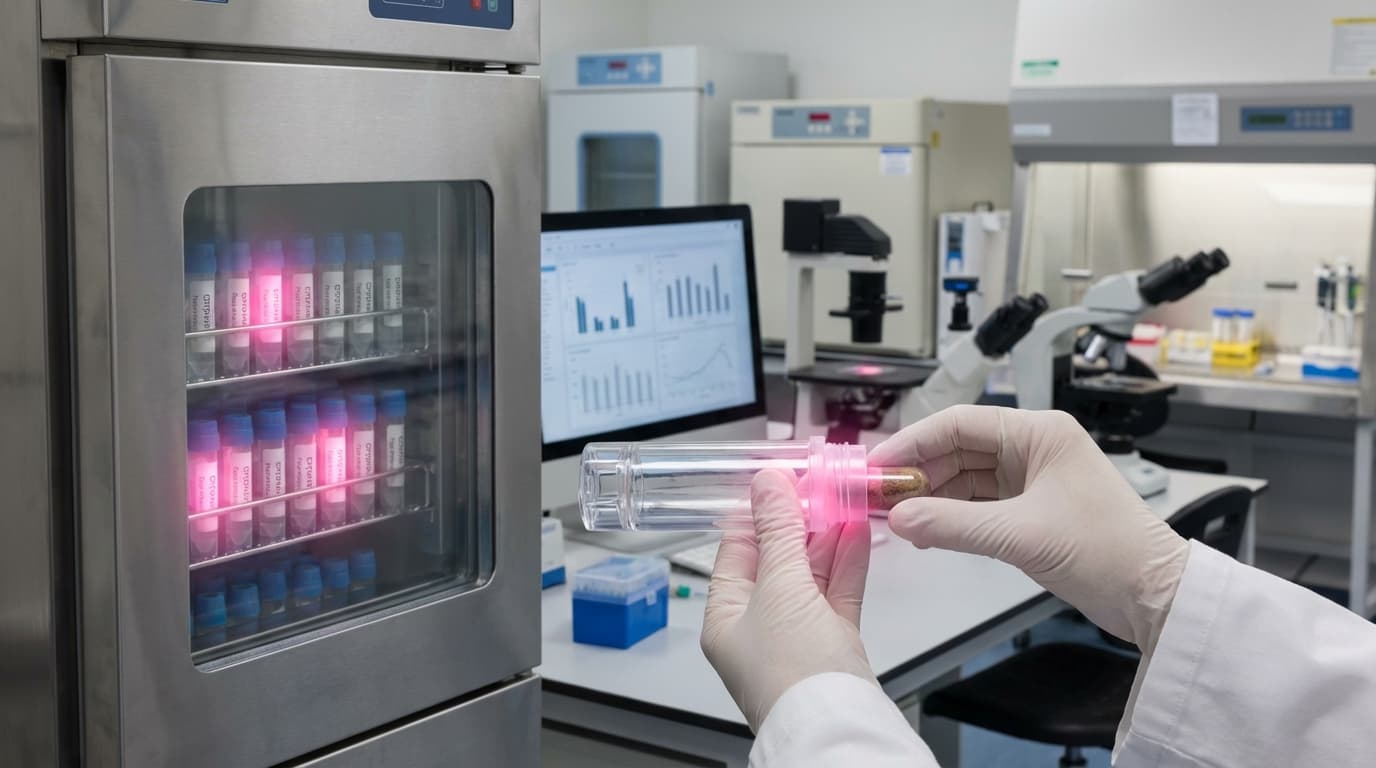
Fecal Microbiota Transplant Banks
Fecal microbiota transplant (FMT) banks are standardized facilities that culture, screen, and cryopreserve donor microbiota for therapeutic use, processing stool samples from carefully screened donors and preparing them for transplantation to treat conditions like Clostridium difficile infection, inflammatory bowel disease (IBD), and metabolic disorders. These banks use cold-chain logistics, regulatory-compliant traceability systems, and capsule manufacturing to ensure quality and safety, moving FMT from boutique clinics to mainstream hospitals by providing standardized, regulated products that can be reliably delivered to patients.
This innovation addresses the challenge of providing FMT therapy, where inconsistent preparation and lack of standardization have limited adoption despite proven effectiveness for certain conditions. By standardizing donor screening, processing, and delivery, these banks enable safe, reliable FMT therapy at scale. Companies and organizations worldwide are developing these facilities.
The technology is essential for making microbiome-based therapies accessible and safe, where standardization is critical for regulatory approval and clinical adoption. As microbiome research expands, standardized banking becomes increasingly important. However, ensuring donor quality, maintaining viability, and navigating regulatory requirements remain challenges. The technology represents an important evolution in microbiome therapeutics, but requires continued development to achieve the standardization and scale needed for widespread use. Success could make microbiome-based therapies more accessible and enable new applications, but the technology must continue to improve and gain regulatory acceptance.
Related Organizations
Asia Microbiota Bank
HK · Company
A commercial stool bank serving the Asian market with standardized donor screening.
United States · Nonprofit
A nonprofit stool bank expanding safe access to fecal microbiota transplantation (FMT) therapies.
Australia · Startup
A clinical stage biotechnology company developing a pipeline of microbiome-based therapies.

A biopharmaceutical group that acquired Rebiotix and launched Rebyota, a fecal microbiota-based treatment.

A commercial-stage microbiome therapeutics company.
United Kingdom · Startup
A biopharmaceutical company developing a platform for full-spectrum microbiome therapeutics with proprietary manufacturing and banking.
Netherlands · University
Host of the Netherlands Donor Feces Bank (NDFB).
France · Company
Developing Microbiome Ecosystem Therapies (MET) dedicated to improving survival in cancer patients.
United Kingdom · Company
A private clinic specializing in digestive health and FMT treatments.
Supporting Evidence
Research this in Signals
Signals turns a topic into a sourced research record you can inspect and rerun. Your first scan is free, and this one starts with Fecal Microbiota Transplant Banks already loaded, so edit it or scan as is.