Pumped-Storage Hydropower for Grid Balancing
Geography: Emea · Middle East · Turkey
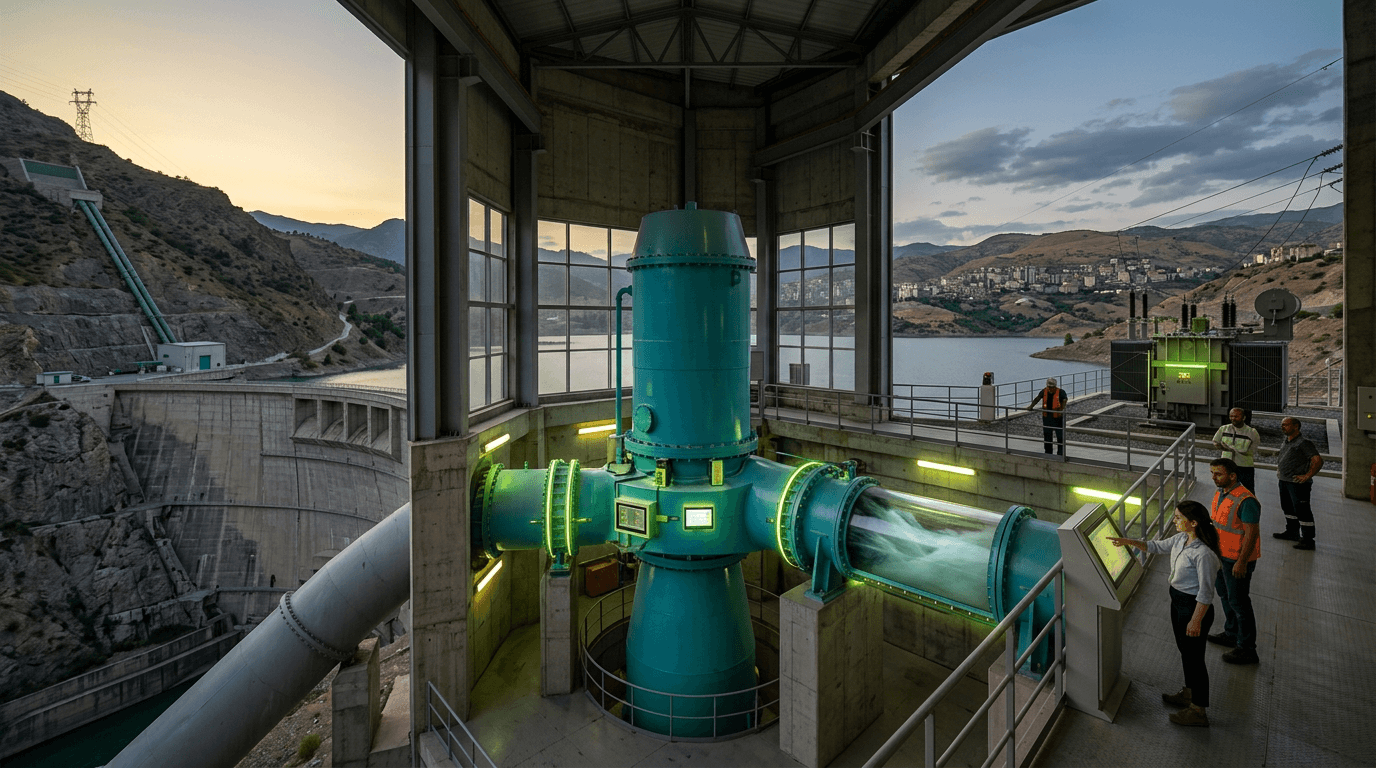
As Turkey rapidly scales solar and wind capacity toward a combined 120 GW target, grid balancing becomes critical. Pumped-storage hydropower — using excess renewable energy to pump water uphill, then releasing it through turbines during peak demand — is being evaluated as the primary large-scale energy storage solution. Turkey's existing hydropower infrastructure (26.6% of installed capacity, the single largest source) includes numerous dam sites that could be converted to pumped-storage operation.
Converting existing dams to pumped storage is considered more suitable for Turkey than building new purpose-built pumped storage facilities, as it leverages infrastructure that is already permitted, built, and connected to the grid. The Renewable Energy 2035 Roadmap identifies energy storage as a key enabler for the quadrupling of intermittent renewable capacity, and pumped storage remains the most proven large-scale storage technology globally.
The strategic importance grows as Turkey approaches higher renewable penetration levels where grid curtailment of solar and wind becomes economically significant. Indigenous pumped-storage capability would reduce the need for imported battery storage technology (dominated by Chinese manufacturers) while leveraging Turkey's natural topography and existing dam infrastructure — a distinctly Turkish approach to the universal challenge of renewable energy intermittency.
Research this in Signals
Signals turns a topic into a sourced research record you can inspect and rerun. Your first scan is free, and this one starts with Pumped-Storage Hydropower for Grid Balancing already loaded, so edit it or scan as is.