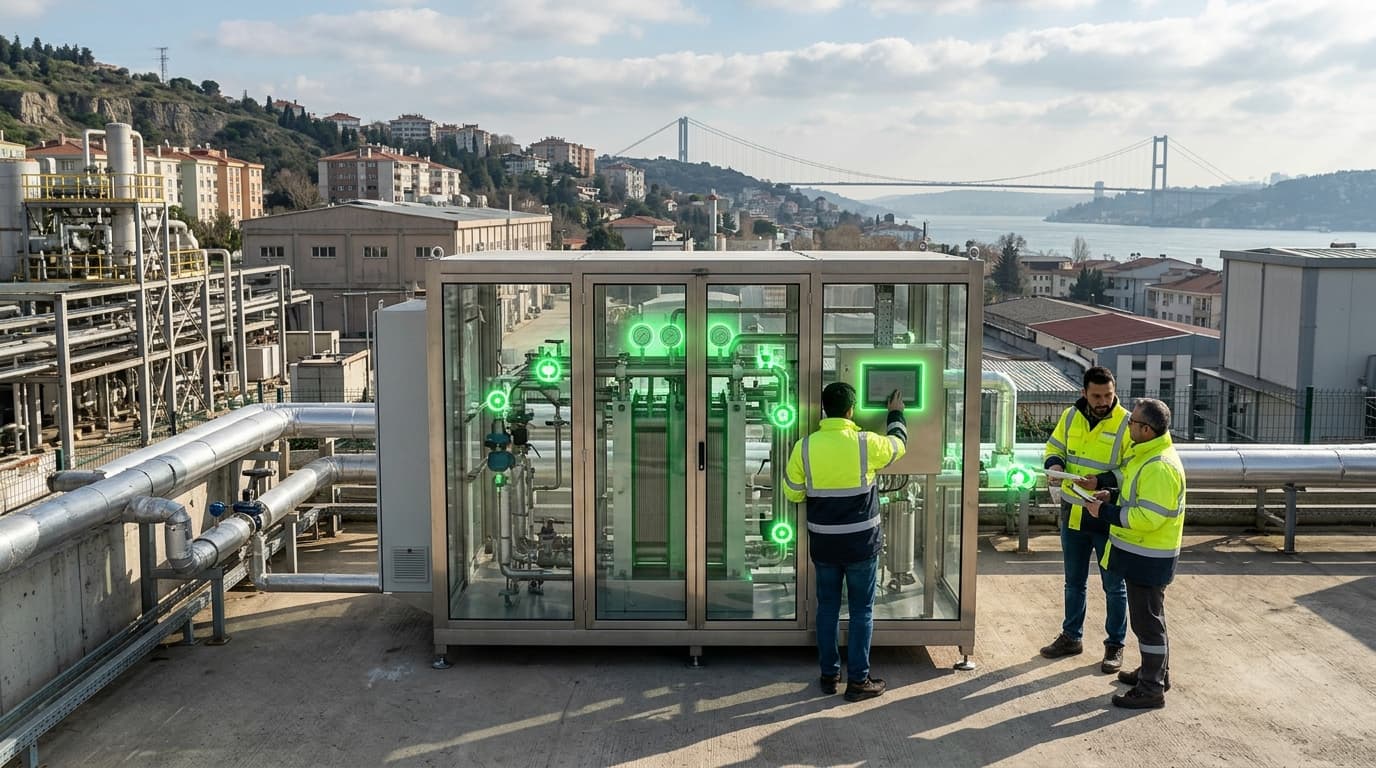
Green Hydrogen Production Infrastructure
Geography: Emea · Middle East · Turkey
Turkey has launched a national hydrogen strategy targeting 2 GW of electrolyser capacity by 2030, 5 GW by 2035, and an ambitious 70 GW by 2053. The strategy emphasizes localizing hydrogen technologies, increasing energy security, and establishing Turkey as a key exporter of green hydrogen. Turkey's rapidly expanding renewable base (75+ GW including hydro, with solar and wind quadrupling to 120 GW by 2035) provides the clean electricity foundation for electrolytic hydrogen production.
Turkey's geographic position makes it a natural hydrogen transit corridor. Sitting at the crossroads of European demand and abundant Anatolian renewable resources — high solar irradiation, strong wind corridors, and geothermal energy — Turkey could produce green hydrogen at competitive costs and pipe it to EU markets via existing natural gas infrastructure or new dedicated pipelines. The country's existing role as a gas transit hub (TurkStream, TANAP) provides infrastructure and institutional experience for hydrogen transport.
The strategic bet is that hydrogen becomes the decarbonization pathway for hard-to-abate industrial sectors (steel, cement, chemicals) where Turkey is a major producer. Indigenous green hydrogen would simultaneously reduce Turkey's $50B+ annual fossil fuel import bill, create an exportable energy commodity, and decarbonize domestic industry. Turkey's boron reserves add another dimension — boron-based compounds are being researched globally for solid-state hydrogen storage, potentially creating a unique Turkish advantage at the intersection of mineral wealth and hydrogen technology.
Research this in Signals
Signals turns a topic into a sourced research record you can inspect and rerun. Your first scan is free, and this one starts with Green Hydrogen Production Infrastructure already loaded, so edit it or scan as is.