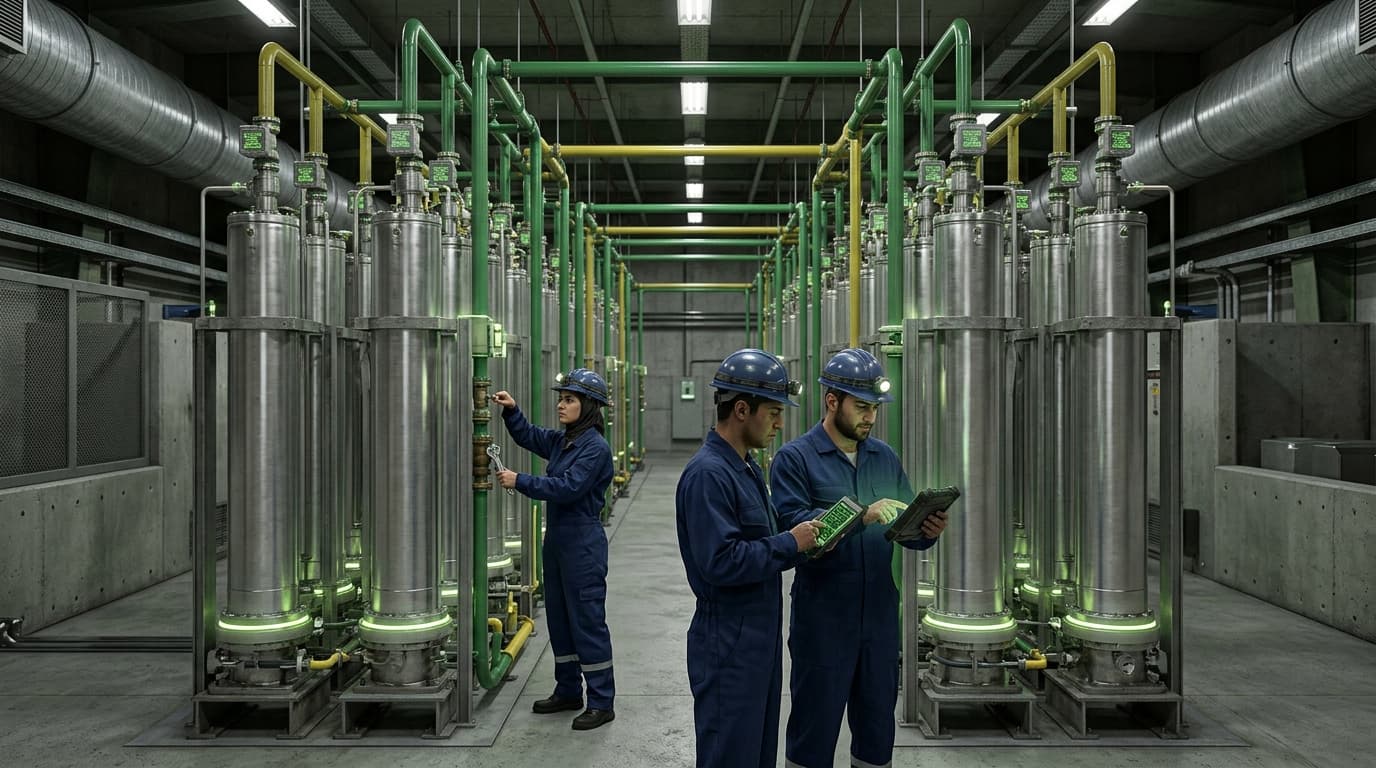
Advanced Gas Centrifuge Enrichment Technology
Geography: Emea · Middle East · Iran
Iran has developed multiple generations of gas centrifuge technology for uranium enrichment, progressing from the IR-1 (based on the P-1 design originating from Pakistan's A.Q. Khan network) through the IR-2m, IR-4, IR-6, and IR-8 models. The IR-6, now operating at the underground Fordow facility, offers approximately 5-6 times the separative work capacity of the IR-1. The IR-8, still in R&D, claims up to 16 times IR-1 capacity. Iran has enriched uranium to 60% U-235 — far beyond commercial power reactor requirements but below the ~90% threshold for weapons-grade material.
The centrifuge program represents Iran's most consequential indigenous technology development from a geopolitical standpoint. Each generation of centrifuge reduces Iran's theoretical "breakout" time — the period needed to produce enough weapons-grade uranium for a nuclear device. With advanced centrifuges and existing stockpiles of 60%-enriched uranium, independent assessments place this timeline at weeks rather than months. The technology has been developed almost entirely indigenously, despite being the single most sanctioned technology program in history.
The strategic implications are foundational to Middle Eastern geopolitics. Iran's enrichment capability — specifically its ability to continue advancing centrifuge technology despite decades of pressure — underlies the nuclear negotiations that have defined Western-Iranian relations since 2003. The technology also has legitimate civilian applications: fuel for research reactors, medical isotope production, and potentially future power reactor fuel. However, the dual-use nature is inescapable, and the advancing centrifuge program remains the primary driver of nuclear proliferation concerns.
Research this in Signals
Signals turns a topic into a sourced research record you can inspect and rerun. Your first scan is free, and this one starts with Advanced Gas Centrifuge Enrichment Technology already loaded, so edit it or scan as is.