Superhot Rock Geothermal Energy
Geography: Emea · Europe · Europe
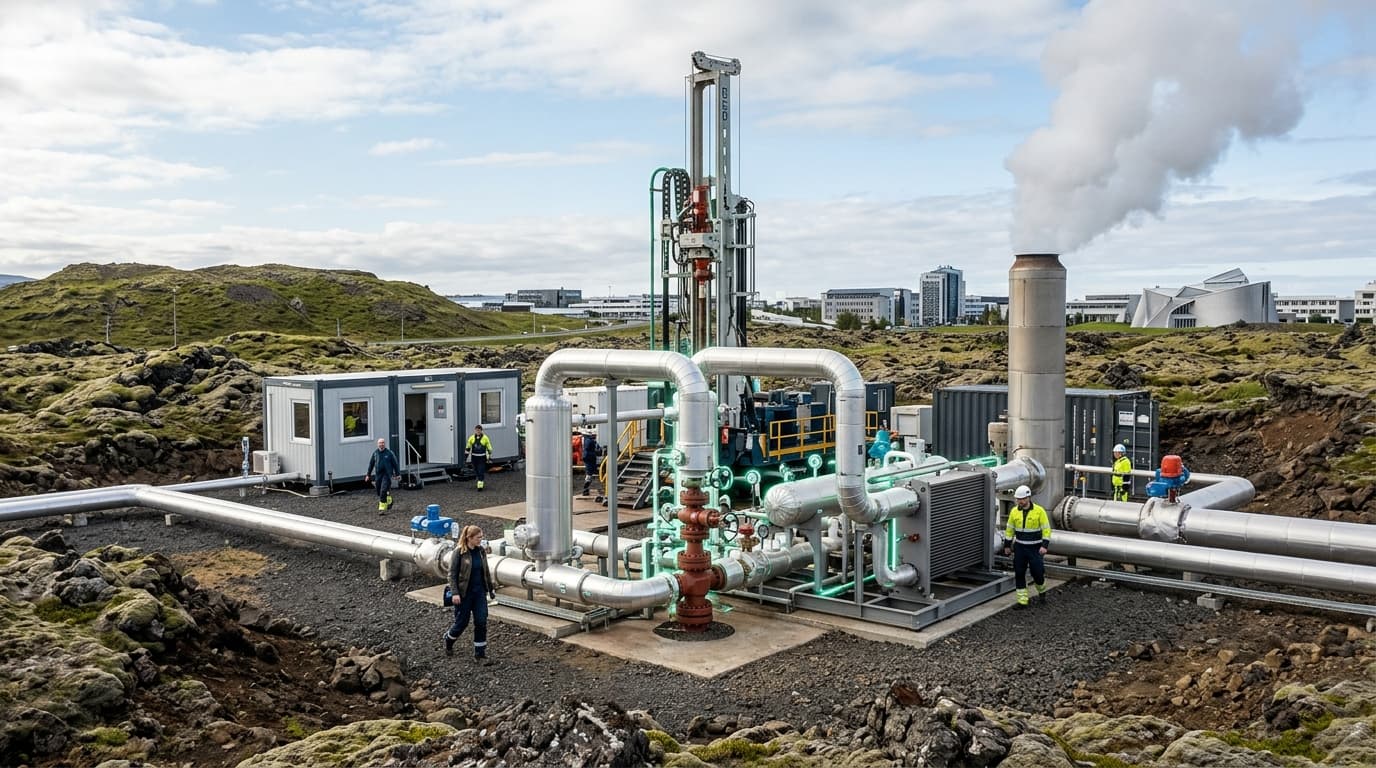
The Iceland Deep Drilling Project (IDDP) demonstrated that drilling into superhot rock (above 374°C, where water becomes supercritical) can produce up to 10x the energy output of conventional geothermal wells. The IDDP-2 well at Reykjanes reached 427°C at 4.7 km depth, encountering supercritical fluids that could theoretically generate 36 MW from a single well — compared to 3-5 MW from standard geothermal wells.
A 2026 report found that geothermal energy could replace 42% of coal and gas-fired electricity generation in the EU — but realizing this potential requires enhanced geothermal systems (EGS) that work beyond volcanic zones like Iceland. EGS technology creates artificial permeability in hot dry rock by hydraulic stimulation, enabling geothermal energy anywhere with sufficient depth and temperature. France (Soultz-sous-Forêts), Germany (Landau), and the Netherlands are pursuing EGS projects that bring geothermal heat to non-volcanic continental Europe.
The technology is particularly strategic for European energy security: geothermal provides 24/7 baseload power independent of weather, fuel imports, or seasonal variation. Unlike wind and solar, which require storage and grid balancing, a geothermal plant produces the same output at midnight in January as at noon in July. The main barriers are drilling costs and subsurface uncertainty — but advances in directional drilling, fiber-optic well monitoring, and machine learning for reservoir characterization are rapidly reducing both.
Research this in Signals
Signals turns a topic into a sourced research record you can inspect and rerun. Your first scan is free, and this one starts with Superhot Rock Geothermal Energy already loaded, so edit it or scan as is.