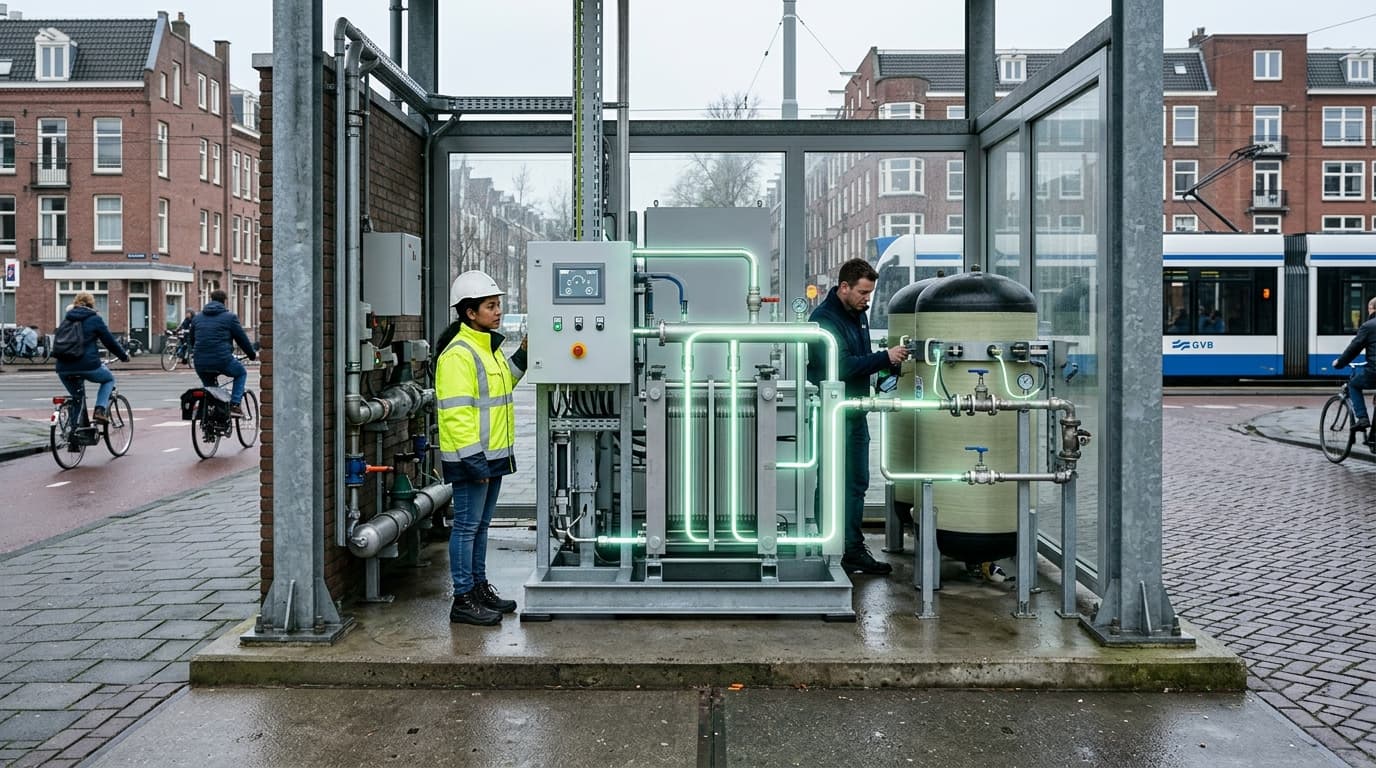
Green Hydrogen Infrastructure
Geography: Emea · Europe · Europe
The EU Hydrogen Strategy targets 40 GW of electrolyzer capacity producing 10 million tonnes of renewable hydrogen by 2030, with an additional 40 GW in neighboring countries. This is the world's most ambitious green hydrogen deployment plan, backed by massive public and private investment through the Clean Hydrogen Alliance.
Green hydrogen — produced by splitting water using renewable electricity — is considered essential for decarbonizing sectors where direct electrification is impractical: steel production, chemical manufacturing, heavy transport, and seasonal energy storage. Europe's North Sea wind resources provide abundant renewable electricity to power electrolyzers.
The hydrogen backbone pipeline network (connecting production sites in North Sea countries with industrial demand in Germany, Belgium, and the Netherlands) is under development, repurposing existing natural gas infrastructure where possible. The regulatory framework (EU delegated acts defining 'renewable hydrogen') creates the certification system that makes green hydrogen tradeable across borders.
Research this in Signals
Signals turns a topic into a sourced research record you can inspect and rerun. Your first scan is free, and this one starts with Green Hydrogen Infrastructure already loaded, so edit it or scan as is.