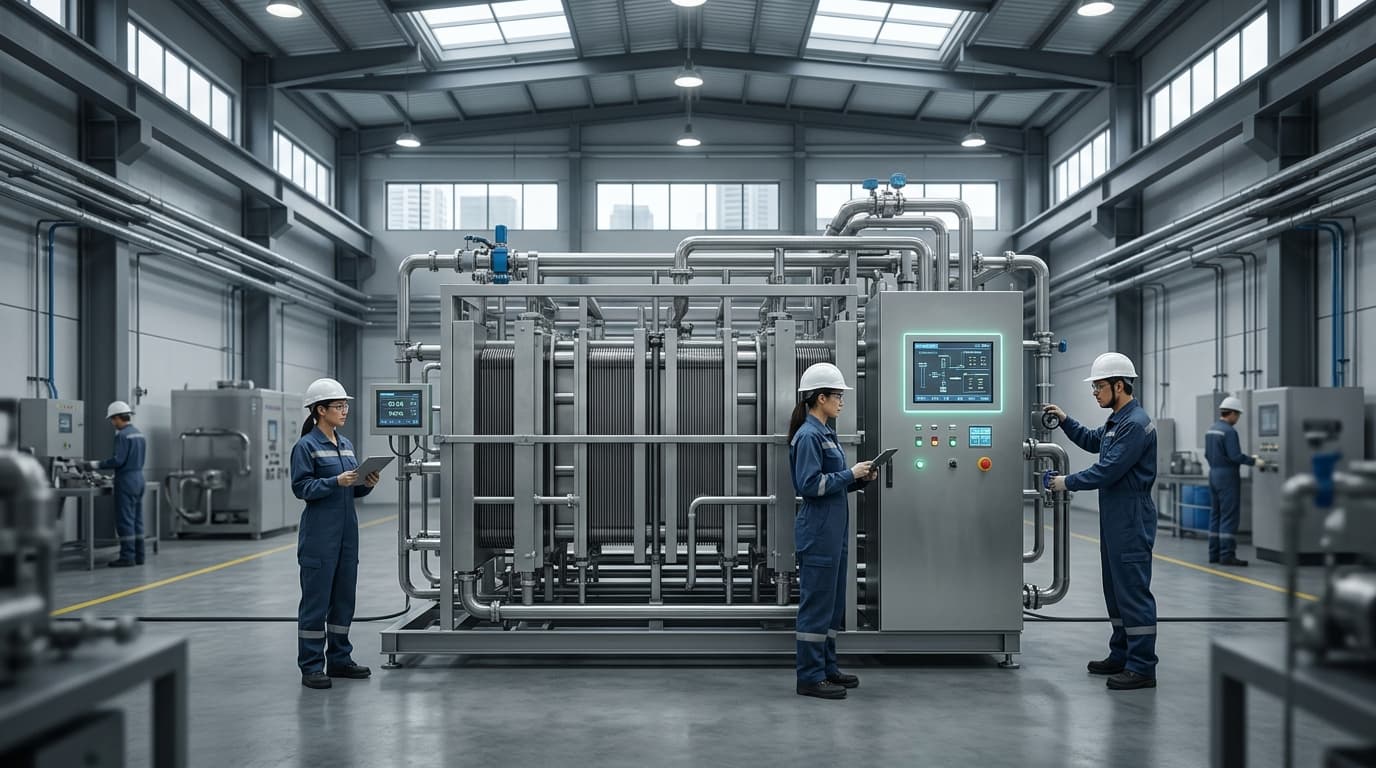
Green Hydrogen Electrolyzer Manufacturing
Geography: Asia Pacific · East Asia · China
China surpassed its national green hydrogen target of 200,000 tonnes per annum two years early, reaching 220,000 tpa by late 2025 — more than the rest of the world combined. The country is simultaneously the world's largest producer, consumer, and equipment manufacturer of hydrogen electrolyzers, which split water into hydrogen and oxygen using electricity.
Chinese electrolyzer manufacturers have driven costs down aggressively. Alkaline electrolyzers from Chinese firms cost 60-70% less than comparable Western units. In 2025, electrolyzer orders surpassed the entire 2024 total in the first five months alone. Foreign Policy described the scale with 'there aren't enough superlatives.' Massive green hydrogen projects are concentrated in Xinjiang, Inner Mongolia, and Gansu, where cheap wind and solar power feed directly into electrolysis.
The sovereignty angle is the hydrogen economy itself. Green hydrogen is essential for decarbonizing steel, cement, shipping, and aviation — industries that cannot be electrified directly. Whoever manufactures the electrolyzers and produces the cheapest green hydrogen controls this transition. China's combined advantage in renewable electricity (cheap solar) and electrolyzer manufacturing creates a structural position analogous to its dominance in solar panels a decade ago.
Research this in Signals
Signals turns a topic into a sourced research record you can inspect and rerun. Your first scan is free, and this one starts with Green Hydrogen Electrolyzer Manufacturing already loaded, so edit it or scan as is.