Clean Tech Manufacturing Dominance (Systemic)
Geography: Asia Pacific · East Asia · China
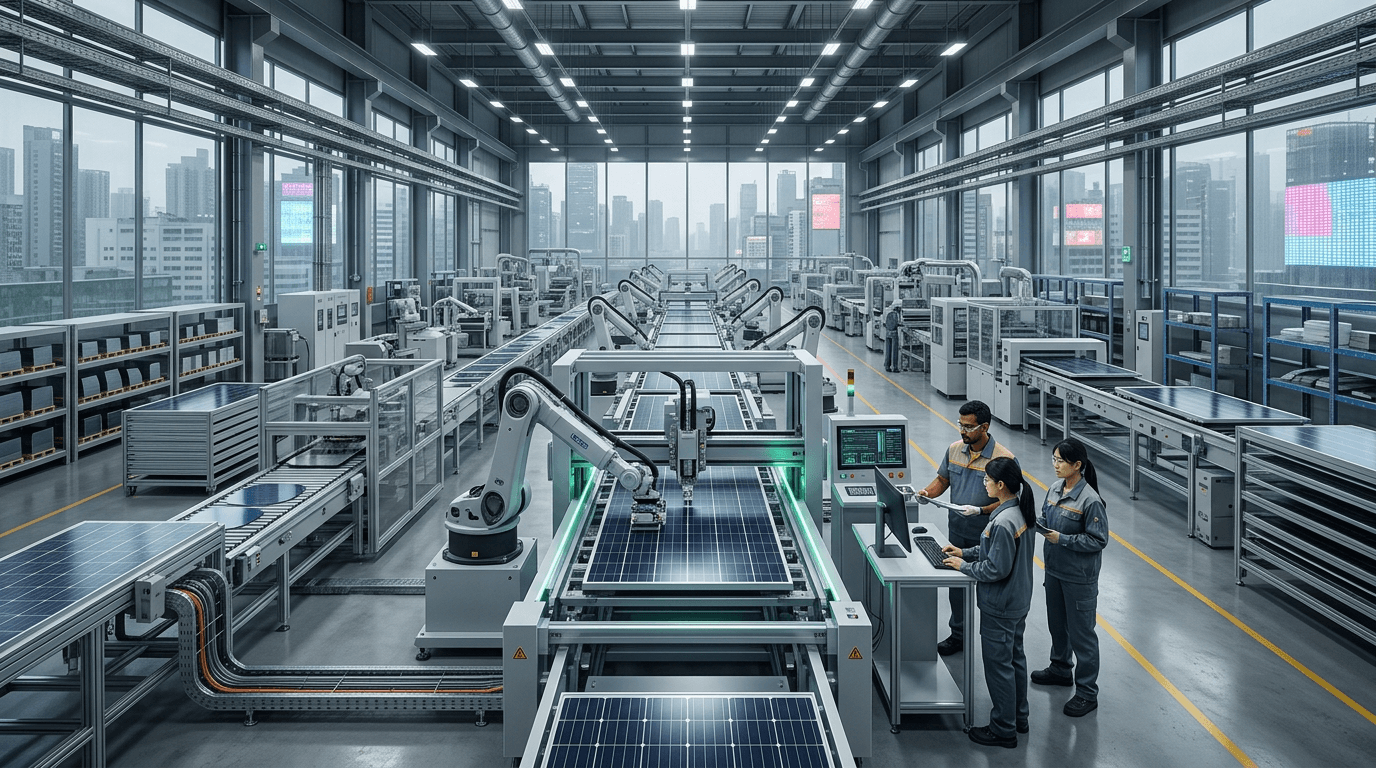
The IEA identifies six core clean technologies: EVs, solar panels, wind turbines, batteries, electrolyzers, and heat pumps. China dominates manufacturing across all six, controlling roughly 70% of global production. This isn't expertise in one technology — it's systemic capability across the entire clean energy stack.
The 2008 financial crisis was the inflection point. While the US and Europe pursued austerity, China invested trillions cumulatively in clean tech manufacturing capacity. Solar module costs dropped 90% since 2010; lithium-ion battery packs fell 80-90%. These are not incremental improvements — they're order-of-magnitude cost reductions that have made clean energy economically inevitable.
The dilemma is real: China's clean technology is the fastest path to global decarbonization, but dependence on a single country for 70%+ of the supply chain creates geopolitical risk. Tariffs slow adoption. Free trade accelerates it but deepens dependency. There is no comfortable option.
Research this in Signals
Signals turns a topic into a sourced research record you can inspect and rerun. Your first scan is free, and this one starts with Clean Tech Manufacturing Dominance (Systemic) already loaded, so edit it or scan as is.