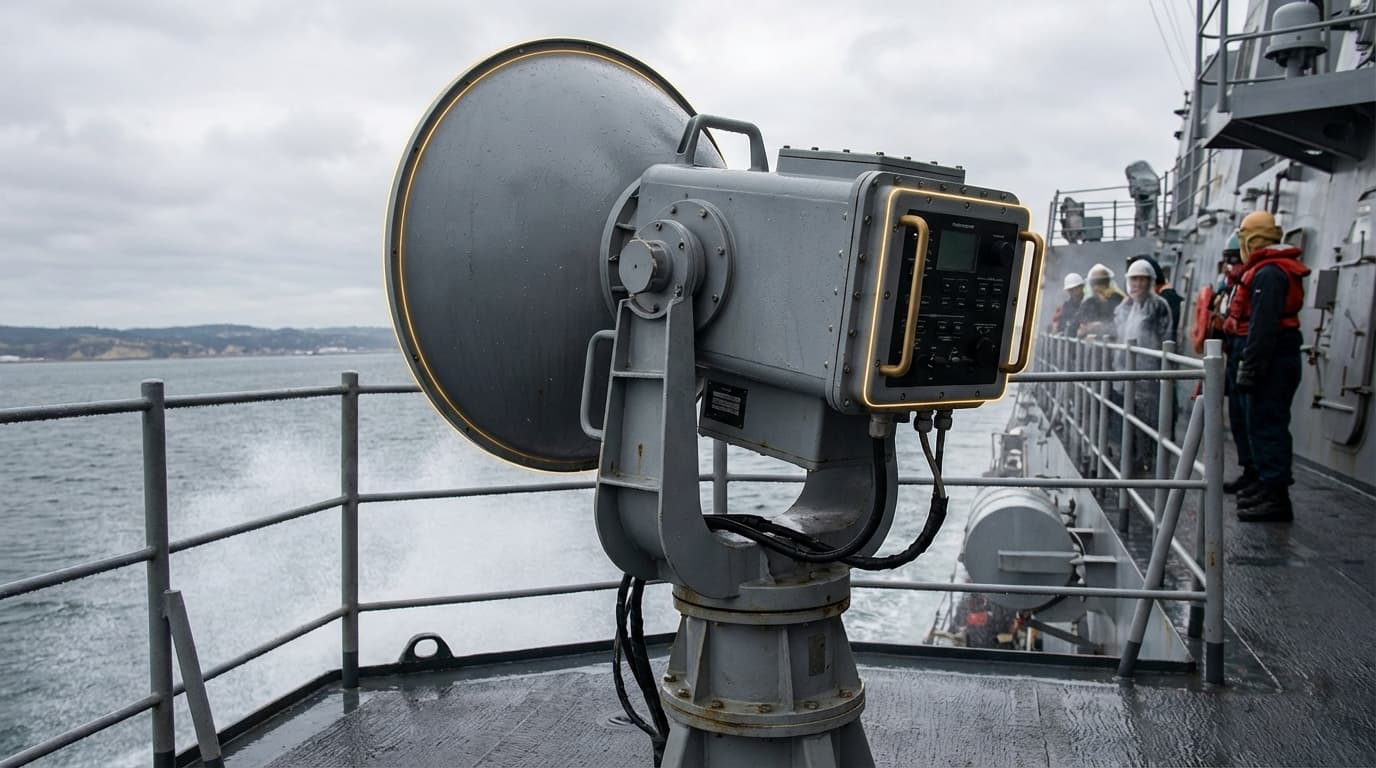
Acoustic Weapons
Acoustic area-denial weapons are long-range acoustic devices (LRAD, devices that project sound over long distances) for non-lethal crowd control (controlling crowds without causing serious injury), where directed acoustic arrays (systems that focus sound in specific directions) such as LRAD project intelligible voice commands (clear spoken instructions) or deterrent tones (unpleasant sounds) kilometers away, giving security forces scalable response tools (options that can be adjusted) between verbal warnings (telling people to stop) and kinetic force (using physical force), creating non-lethal weapons that can communicate with or deter people at long range, providing an intermediate option between warnings and physical force that can help de-escalate situations while maintaining control, making them useful for crowd control and area denial operations.
This innovation addresses the need for non-lethal options in crowd control, where there's a gap between warnings and physical force. By providing acoustic weapons, these systems offer intermediate options. Defense and security companies are developing these systems.
The technology is particularly significant for crowd control and area denial, where non-lethal options are valuable. As security needs evolve, acoustic weapons become increasingly important. However, ensuring safety, managing effectiveness, and addressing concerns remain challenges. The technology represents an important tool for security forces, but requires careful use to ensure safety. Success could provide effective non-lethal options, but the technology must be used responsibly. Acoustic weapons are already deployed in some applications, with ongoing development of new capabilities.
Related Organizations

Provides protective communications solutions, including zone-based evacuation software.

US Department of Defense organization dedicated to non-lethal weapons.

Defense and security company specializing in mission-critical solutions.

Manufacturer of high-performance audio systems for military and emergency use.

A premier research and development center for the US Navy.

Supporting Evidence
Research this in Signals
Signals turns a topic into a sourced research record you can inspect and rerun. Your first scan is free, and this one starts with Acoustic Weapons already loaded, so edit it or scan as is.