Dualism (Symbolic vs. Sub-Symbolic AI)
The foundational divide between rule-based symbolic AI and data-driven connectionist approaches.
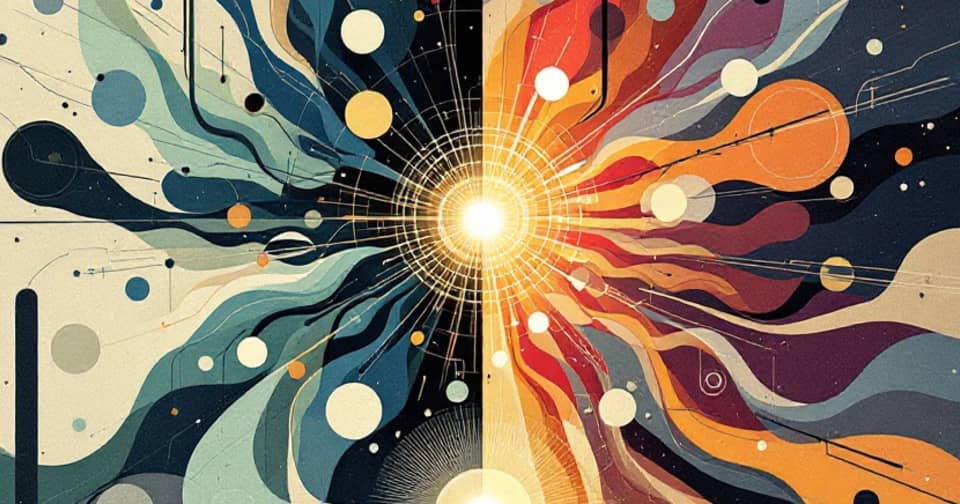
Dualism in AI refers to the conceptual and practical divide between two fundamentally different paradigms for building intelligent systems: symbolic AI and sub-symbolic AI. Symbolic AI represents knowledge using explicit, human-readable structures — rules, logic, and ontologies — and performs reasoning through formal manipulation of those structures. Sub-symbolic AI, by contrast, encodes knowledge implicitly within numerical parameters, learning statistical patterns from data rather than following hand-crafted rules. This divide reflects deep disagreements about what intelligence is and how it should be engineered.
Symbolic systems excel at tasks requiring transparent reasoning, structured knowledge representation, and generalization from small amounts of data. Expert systems, theorem provers, and planning algorithms are canonical examples. Sub-symbolic systems — most prominently artificial neural networks — excel at perception, pattern recognition, and tasks where the underlying rules are too complex or too numerous to specify manually. The tradeoffs are real: symbolic systems are interpretable but brittle; sub-symbolic systems are flexible but opaque and data-hungry.
The tension between these paradigms became especially pronounced in the 1980s when connectionist models, revitalized by the popularization of backpropagation, began demonstrating capabilities that symbolic systems struggled to match, particularly in speech and image recognition. This triggered what became known as the "AI wars" — heated debates about which approach was more fundamental or more promising. The symbolic camp argued that connectionist models lacked the capacity for genuine reasoning; connectionists countered that symbolic representations were too rigid to capture the graded, context-sensitive nature of real-world knowledge.
Modern AI has largely moved toward hybrid approaches that attempt to capture the strengths of both paradigms. Neuro-symbolic AI is an active research area seeking to integrate learned representations with structured reasoning, enabling systems that can both perceive and reason reliably. Understanding the symbolic/sub-symbolic dualism remains essential for appreciating why contemporary architectures are designed the way they are, what failure modes they carry, and what problems remain unsolved in building general-purpose intelligent systems.
Sources
- Dualism
Wikipedia
Research this in Signals
Signals turns a topic into a sourced research record you can inspect and rerun. Your first scan is free, and this one starts with Dualism (Symbolic vs. Sub-Symbolic AI) already loaded, so edit it or scan as is.