Life in Interesting Times
Issue 117 · September 15, 2025
One of the more surprising side effects of “infinite intelligence” is realizing just how much of my day is now spent interfacing with AI. The last time I felt something this profound was discovering the internet in the early 1990s – sensing an endless source of knowledge that would inevitably reshape how I learn, work, and connect with the world. Back then it was TCP/IP and HTML; today it’s tokens and transformers.
ChatGPT launched just over a thousand days ago.
If you had asked me in mid-2022 whether AI was about to transform my work so completely, I would have laughed it off. Yet here we are. Three years later, I can’t picture a world without it. Every decision I make, every experiment I run, every line of code I write – AI touches all of it. To ignore it would feel negligent.
I don’t try to convince anyone of “the right way” to use these tools.
What excites me is precisely how different everyone’s paths can be. For me, AI has already made me a better developer, a sharper CEO, and a more curious human. For you, it might mean something entirely different. That’s the promise: infinite directions, infinitely personal.
This newsletter is my way of leaning into that promise—with careful optimism, an eye on the hype, and a belief that we’re still only at the beginning.
Until next week,
MZ

Vibe Coding (Amsterdam, Oct 7): I’m co-hosting the third edition of our vibe coding hackathon at the Embassy of the Free Mind during World AI Week together with Derek Lomas. The last two sessions sold out, so if you’re interested, reserve your spot now on Luma.
The Fragile Foundations of the AI Boom (22m)
The AI hype cycle may be smoke and mirrors. Are we mistaking marketing for a real revolution? Ed Zitron argues the AI industry is overextended, financially unsustainable, and built on shaky dependence on OpenAI and NVidia.

This boom has come from building capacity for a revolution that never even started arriving.
How Cloud Code Ships Fast (40m)
Cat Wu’s approach to Cloud Code: if you’re building AI tools, ship the demo, not the deck—let users teach you what sticks.

For new features there should be no onboarding UX… it should be intuitive via the feature name.
From AlphaFold to AGI (31m)
Demis Hassabis calls DeepMind Alphabet’s AI “engine room,” spotlighting Genie 3’s world models and robotics. True creativity is the bar for AGI. Until then, world models and robotics are the trail to watch.
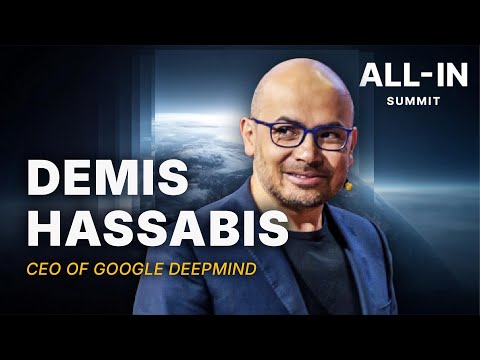
AI today… doesn’t have true creativity… it can’t come up with a new conjecture yet or new hypothesis.
Robots are closer than you think (1h28m)
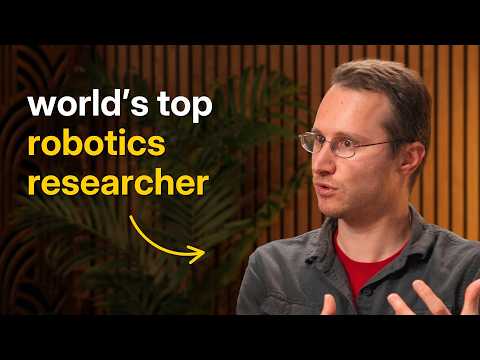
The robotics flywheel might starts soon. Sergey Levine says they’ll be here in 5 years or so.
Altman on Morality and Power (57m)
Sam Altman says ChatGPT isn’t alive, just math. Shaping its moral framework is unavoidable. He backs user privacy as “AI privilege” and admits the toughest weight is knowing how small design choices affect hundreds of millions daily.

If I could get one policy passed, it would be AI privilege… like attorney–client privilege for your conversations with AI.
Superagency (1h20m)
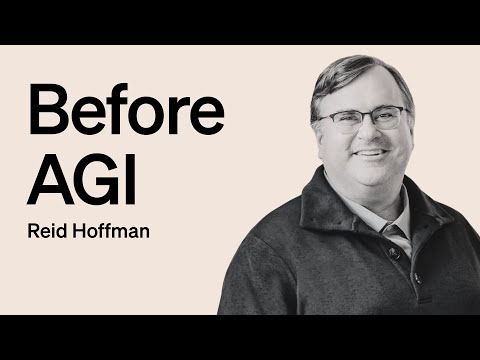
Great interview with Reid Hoffman.
From Substack
[

🌻 42 notes on AI & work
Hello from Shanghai! One of my main preoccupations this year has been AI’s labor impacts. It’s been a bit whiplashy—I went from intense concern to feeling slightly more sanguine by the time everyone started freaking out about the “new grad jobs crisis.” I'm planning some deeper investigations into these questions for when I’m back (e.g. what does an “AI…
Read more
6 months ago · 176 likes · 24 comments · Jasmine Sun

Comments
Newsletter
Follow us for weekly foresight in your inbox.